Wildlife Habitat Improvement in Hattiesburg, MS
More Browse, Better Cover and Healthier Woods
Wildlife Habitat Improvement
Wildlife-Focused Thinning
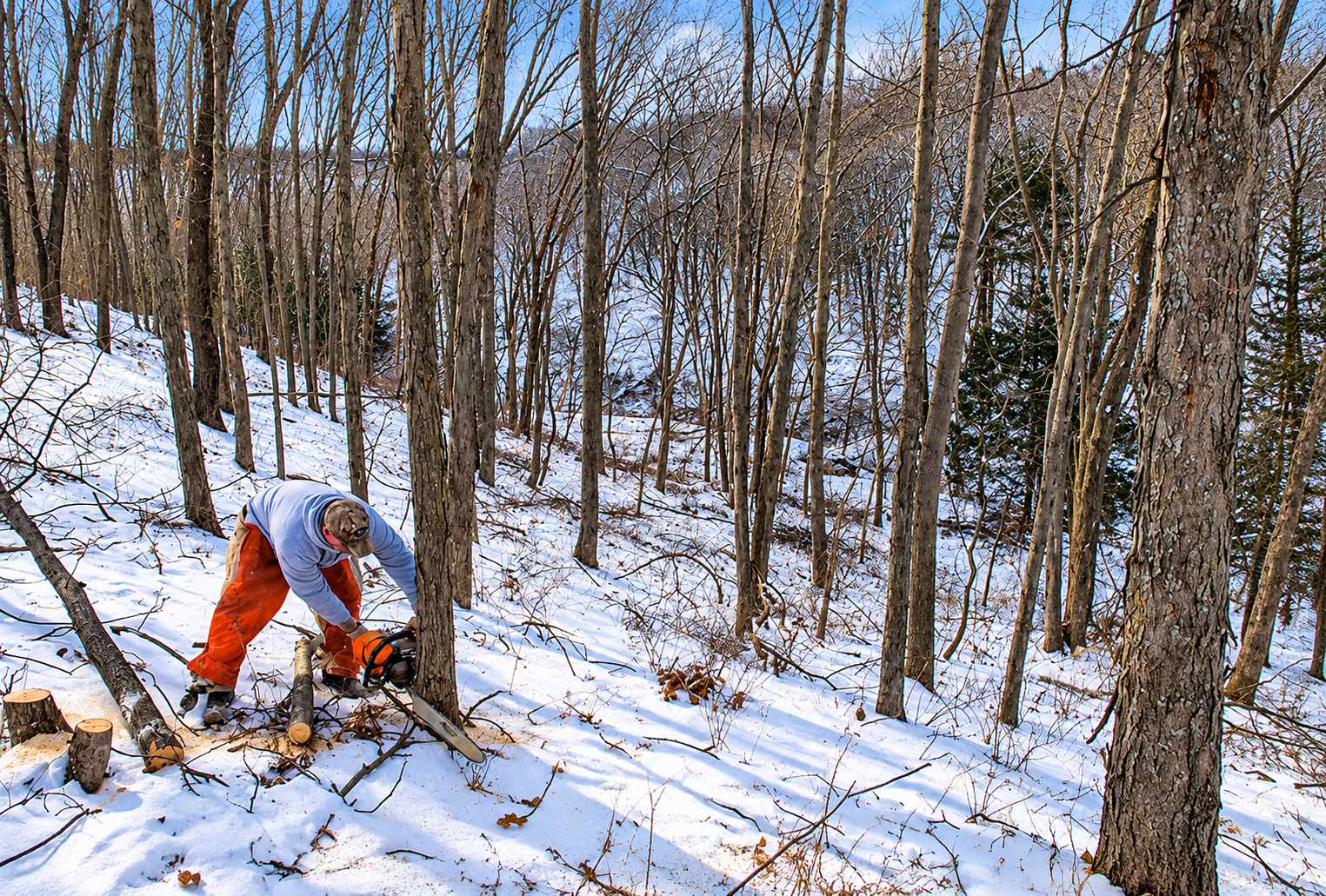
Opening a crowded pine canopy lets sunlight reach the ground, where grasses, forbs and shrubs can grow. We design thinnings that leave the right density for both timber growth and the understory forage that deer and turkey rely on.
Timber Stand Improvement
Removing diseased, poorly formed and overcrowded trees frees space and resources for the stronger, straighter stems that remain. At the same time, the added light encourages beneficial vegetation, creating richer habitat while improving the stand's future timber value and overall health.
Prescribed Fire for Habitat
Regular burning renews tender browse, native legumes and seed-producing plants while keeping hardwood brush in check. We schedule fire in smaller rotating blocks across the tract so the property always holds a mix of fresh forage and protective cover for game.
Food Plot Planning
Well-placed food plots supplement natural forage during lean stretches of the year. We help choose locations near cover, plan sizes and shapes that fit the terrain and recommend plantings suited to local soils and the species you hope to attract.
Native Forage and Cover Management
Native warm-season grasses, soft mast shrubs and brushy edges feed and shelter many wildlife species year-round. We carefully identify existing native plant communities already on your land and recommend practices that expand them without the need for expensive replanting.
Invasive Species Control Planning
Cogongrass, Chinese tallow and Chinese privet aggressively crowd out the native plants wildlife need most. We map infestations, recommend treatment timing and methods and build control into your broader habitat plan, so native vegetation finally has room to recover and spread.
Why Choose Us for Wildlife Habitat Improvement
Why Choose Us for Wildlife Habitat Improvement
Habitat That Pays Its Own Way
Well-planned thinnings and timber stand improvement can generate real income while creating better habitat at the same time. We look for practices that produce both results, so wildlife work strengthens your property's finances rather than drawing only from your pocket.
Fire and Forestry Under One Roof
Our certified burn manager credentials and forestry background mean habitat burns, thinnings and harvests are planned together. Coordinated work avoids conflicts, such as burning too soon after planting, that can occur when separate contractors handle each piece without coordinating.
Plans Built Around Your Game Goals
A deer hunter, a turkey enthusiast and a quail restorer each need very different conditions on the ground. We tailor recommendations to the species you care about most, while still supporting a diverse, balanced ecosystem across the whole property.
Seasonal Steps That Fit Real Schedules
Meaningful habitat work happens over several years, not a few weekends. We break recommendations into seasonal tasks, from winter burns to spring plantings and fall herbicide treatments, so each step fits naturally into your family's calendar and yearly budget.
Respect for Protected Species
Parts of South Mississippi provide habitat for the gopher tortoise, a federally protected species. When burrows are present on your land, we plan equipment routes and practices that protect them, keeping your management responsible and compliant with wildlife regulations.
Results You Can Measure
We revisit treated areas over the following seasons to observe vegetation response, browse use and wildlife sign. Those observations show what is working and guide adjustments, giving you clear evidence that the investment is improving conditions for game and other wildlife.
Grow More Wildlife Without Giving Up on Timber
Grow More Wildlife Without Giving Up on Timber
The most productive hunting land in South Mississippi is rarely left alone; it is shaped thoughtfully by thinning, fire and patient planning. Gill Forestry Solutions helps landowners in Hattiesburg, MS and the surrounding communities turn ordinary timberland into habitat that draws deer, turkey and quail while the trees keep growing in value. We explain what each practice will do, when to expect results and how it fits your budget, so every step feels purposeful. If you want to see more wildlife on your property, describe your land and hunting goals on our contact page, and we will sketch a habitat plan that works with your forest.
FAQs - Frequently Asked Questions
How does thinning help deer?
Thinning opens the canopy, allowing sunlight to reach the forest floor where browse plants, vines and shrubs grow. Those plants supply food and cover for deer, and combining thinning with regular burning keeps the understory productive rather than overgrown.
How can I improve turkey nesting and brood habitat?
Turkeys need grassy, weedy areas rich in insects for young poults and nearby cover for nesting. Burning portions of thinned pine stands on a rotation creates that patchwork, and Gill Forestry Solutions designs these rotations for Hattiesburg, MS area properties.
Are food plots necessary to attract deer?
Not always. Well-managed forests with regular thinning and fire often produce more total forage than a few small plots. Food plots work best as a supplement to forest management, providing nutrition during stress periods like late summer and late winter.
What are native warm-season grasses?
These grasses, such as switchgrass, big bluestem and Indiangrass, grow actively in hot weather and provide excellent nesting and escape cover for quail, turkeys and rabbits. Many sites already hold native seed that sprouts once canopy and competition are reduced.
Will habitat improvements reduce my timber income?
Usually not by much, and sometimes not at all. Moderate thinning, regular burning and well-placed openings often improve tree growth while benefiting wildlife. Some choices, like wider spacing or retaining mast trees, trade a small amount of volume for better habitat.
Do gopher tortoises affect how land can be managed?
They can. Gopher tortoises are federally listed as threatened in Mississippi, so burrows should be flagged and protected from heavy equipment during harvests. Prescribed fire generally benefits them, since they need open, sunny pine habitat on well-drained sandy soils to thrive.
How long before habitat improvements show results?
New growth often appears within weeks of a spring burn, and wildlife response follows during the first growing season. Thinning and timber stand improvement take 1 to 2 years to fully transform the understory, with benefits continuing for several years.
Can small properties benefit from habitat work?
Yes. Even 20 or 40 acres can provide meaningful food and cover when management is focused. Gill Forestry Solutions has spent 11 years helping Hattiesburg, MS area landowners get the most wildlife value from smaller tracts and the habitat around them.